

THE DOUBLE EMERGENCY: NIGERIA’S WIDOWS AND THEIR CHILDREN IN THE CROSSHAIRS OF CONFLICT AND DISEASES.
BY: Dorcas Kwaghbo, Secretary (GIPLC). MARCH 12, 2026.
INTRODUCTION
Nigeria, Africa’s most populous nation, boasts of immense cultural diversity and abundant human potential. Yet, beneath its vibrant surface lies a crisis that is rarely discussed with the urgency it demands. Nigeria faces a silent but devastating crisis: the plight of widows and their children. In a country already grappling with insecurity, poverty, and public health challenges, widowhood becomes a double emergency. Conflict claims the lives of men soldiers, police officers, and civilians leaving behind women and children who must navigate cultural stigma, economic hardship, and exposure to diseases. This intersection of violence and vulnerability creates a humanitarian emergency that is often overlooked.
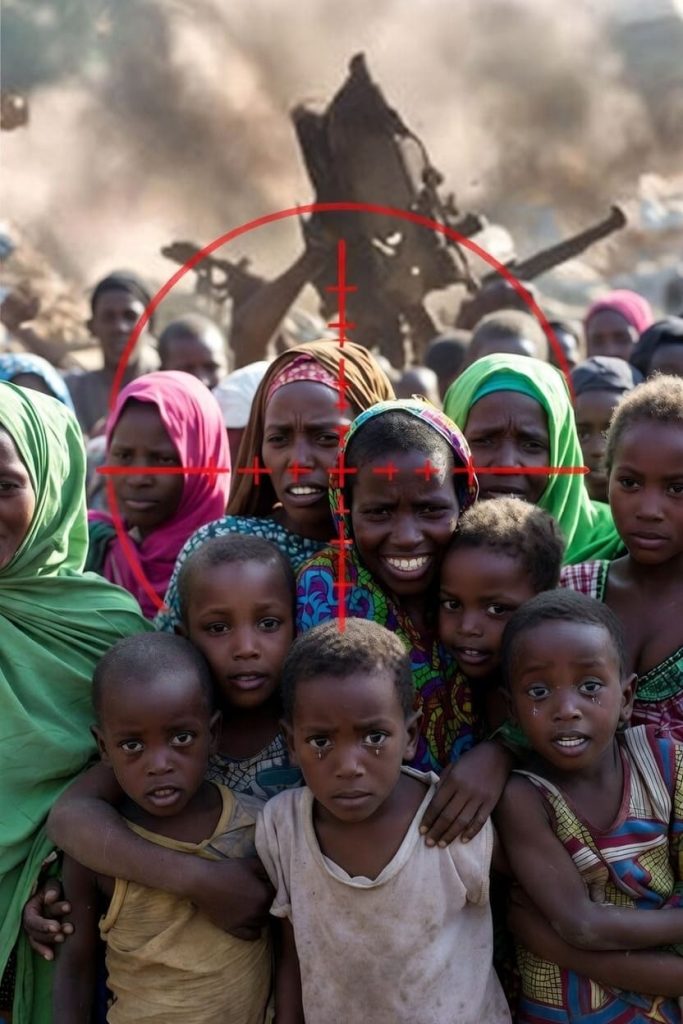
The Burden of Widowhood in Nigeria
• Conflict-driven widowhood: Armed conflicts, terrorism, and communal clashes have left thousands of women widowed at a young age. Many lose husbands who served in the military or police, while others are victims of insurgencies and banditry.
• Cultural stigma: Widows often face harmful traditional practices, including disinheritance, forced remarriage, or accusations of witchcraft. These practices strip them of dignity and economic security.
• Economic exclusion: Without inheritance rights or social safety nets, widows are pushed into poverty. Many struggle to provide food, shelter, and education for their children.
Children in the Crosshairs
• Educational disruption: Children of widows are more likely to drop out of school due to financial constraints.
• Health risks: Poverty and displacement expose them to malnutrition, malaria, and preventable diseases.
• Psychological trauma: Losing a father and watching a mother struggle under cultural and economic pressures leaves lasting emotional scars.
The Double Emergency: Conflict and Disease
Widows and their children are caught in a vicious cycle:
• Conflict creates widows and orphans, displacing families and destroying livelihoods.
• Disease thrives in poverty and displacement, compounding the suffering of already vulnerable households.
Together, these forces create a humanitarian emergency that perpetuates intergenerational poverty and instability.
Pathways to Change
Despite the severity of the crisis, solutions are both possible and urgent. Addressing the double emergency requires coordinated action from government, society, and international partners. To break this cycle, Nigeria must address both structural and cultural barriers:
• Legal Reforms: Enforce inheritance rights and protect widows from discriminatory practices.
• Social Protection: Establish welfare programs, housing support, and healthcare access for widows and their children.
• Community Education: Challenge harmful traditions through awareness campaigns and grassroots advocacy.
• Targeted Healthcare: Provide widows and their families with free or subsidized medical care, especially in conflict zones.
• Community engagement: Encouraging Community engagement and support networks.
• Economic Empowerment Programs: Microfinance, skills training, and social safety nets can provide widows with sustainable livelihoods and economic independence.
• Support for Children’s Education: Ensuring free, accessible education and psychosocial support can help break the cycle of poverty and trauma.
Conclusion
Widowhood in Nigeria is not just a personal tragedy, it is a national emergency. The double burden of conflict and disease places widows and their children at the margins of society, perpetuating cycles of poverty and vulnerability. Addressing this crisis requires urgent action from government, civil society, and international partners. Protecting widows is not charity; it is a moral and social imperative for Nigeria’s stability and future. Also, the plight of Nigeria’s widows and their children is more than static, it is a human crisis demanding urgent attention.
The twin emergencies of conflict and diseases have pushed countless families to the brink, eroding dignity and opportunity. By recognizing and addressing this ‘DOUBLE EMERGENCY’, Nigeria can forge a future that protects its most vulnerable and honors the promise of a more just and equitable society.